Panagos, P., Broothaerts, N., Ballabio, C., Orgiazzi, A., De Rosa, D., Borrelli, P., Liakos, L., Vieira, D., Van Eynde, E., Arias Navarro, C., Breure, T., Fendrich, A., Köninger, J., Labouyrie, M., Matthews, F., Muntwyler, A., Jimenez, J. M., Wojda, P., Yunta, F., Marechal, A., Sala, S., Jones, A., 2024. How the EU Soil Observatory Is Providing Solid Science for Healthy Soils. European Journal of Soil Science, 75, e13507. https://doi.org/10.1111/ejss.13507
Healthy soils are essential for sustainable food production, achieving climate neutrality, and halting the loss of biodiversity. The European Commission highlighted these priorities through the launch of the EU Soil Observatory (EUSO) in 2021 to support the European Green Deal. In addition, the EU Soil Strategy for 2030 and the proposed Soil Monitoring Law marked important milestones for soil protection.
This article provides an overview of the functioning of the EUSO within this policy context. Through its activities, the EUSO supports an EU-wide soil monitoring system and provides scientific support across a wide range of policy areas. Moreover, the EUSO monitors the state of soil health in the European Union through the EUSO Soil Health Dashboard. This comprehensive and easy-to-understand tool shows, for the first time, where current scientific evidence converges to identify areas likely to be affected by soil degradation.
Furthermore, the EUSO supports soil research and innovation, enhances the capacity and functionality of the European Soil Data Centre (ESDAC), and promotes citizen engagement on soil-related issues.
Overall, since its establishment in 2021, the EUSO has successfully become the principal European knowledge hub for soil information and data, underpinning EU policy development and implementation. In the coming years, it will continue to provide the data and knowledge needed to monitor, safeguard, and restore soils across Europe.
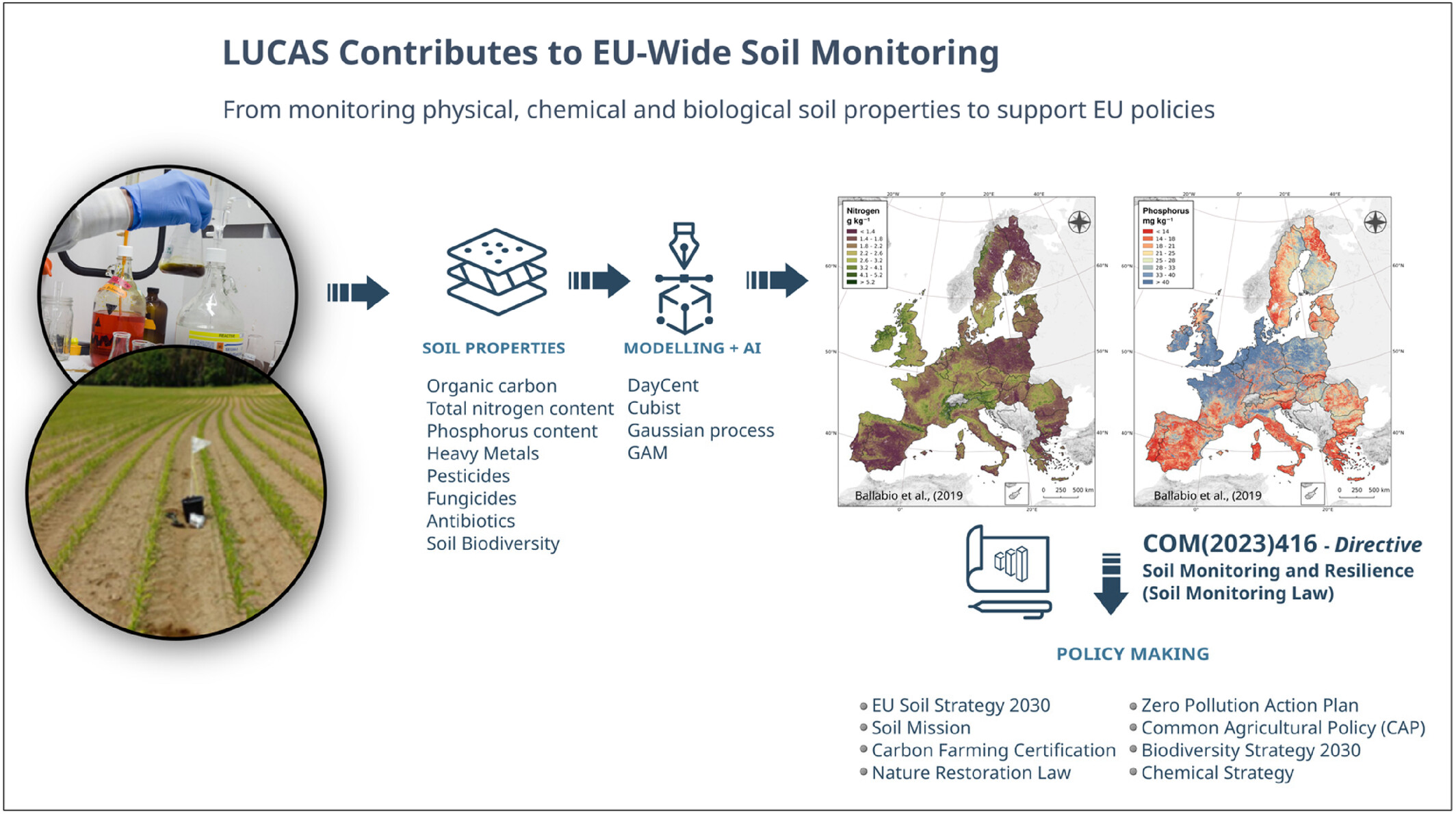
Figure 1. Workflow of the LUCAS Soil Survey from field sampling to policy support.
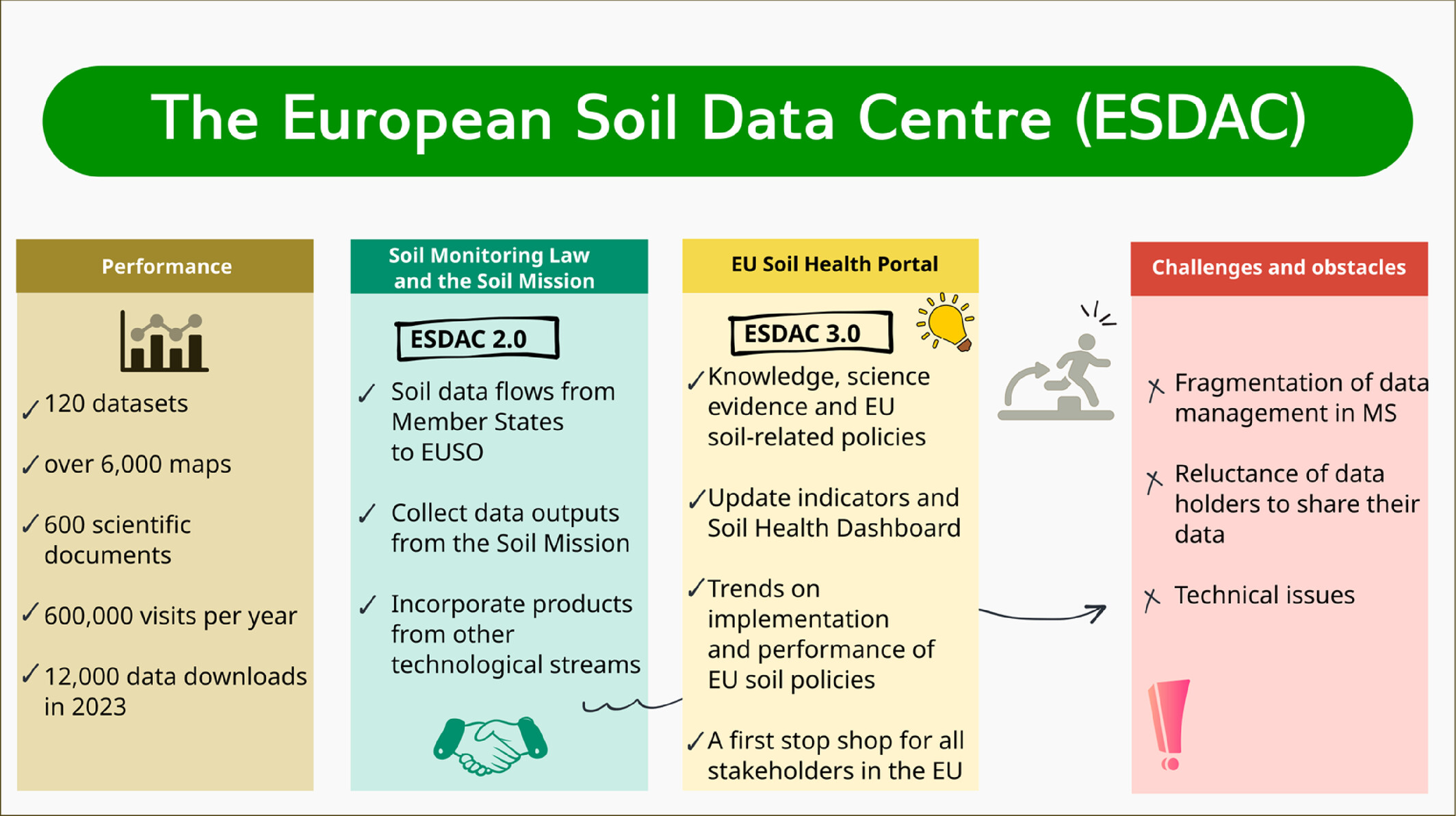
Figure 2. Evolution of the European Soil Data Centre into the EU Soil Health Portal.
Comments
comments powered by Disqus